Swedish blogger Glicko, based in Lysekil on the Swedish west coast, offers an exclusive interview and photos from the wedding
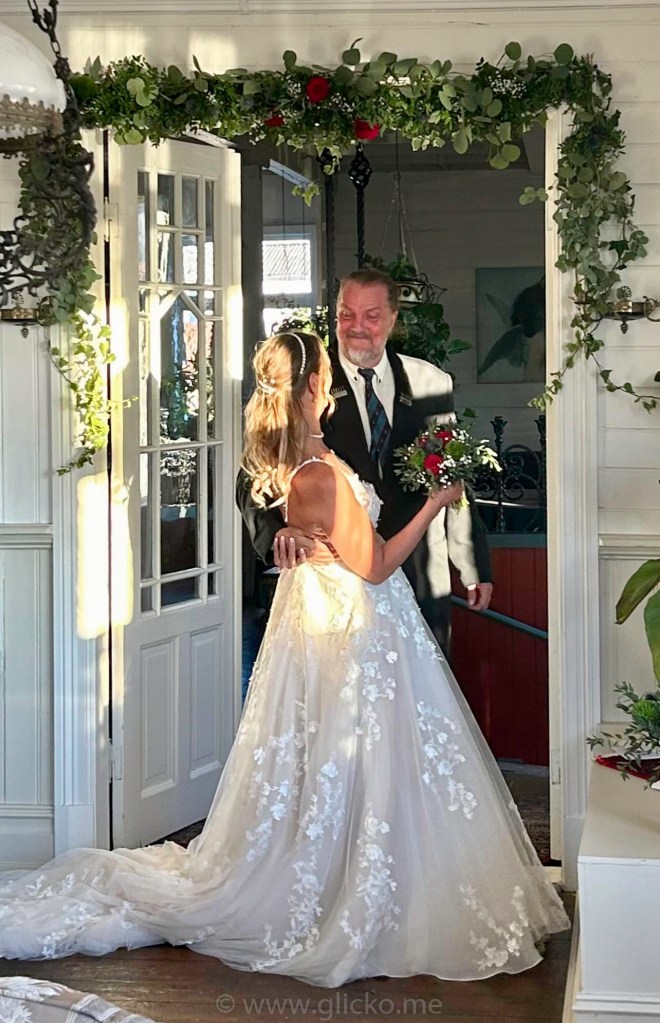
I had the great honour of interviewing Jonas before the release of Ace of Base’s exclusive box with 26 CDs. While Jonas rarely give interviews, he recently texted me to ask if I wanted to photograph his wedding to Rosa when they got married in Lysekil. In this interview, Jonas talks about the wedding, Lysekil, and a deeper story about Ace of Base that you’ve never heard before.
Facst: Global band Ace Of Base has sold almost 50 million albums since they hit the charts in 1992. Last time I interviewed Jonas, they had over 5 million listeners on Spotify every month. Today they have around 10 million listeners every month. They are in The Guinness Book of World Records for best-selling debut album of all time. The last episode of the TV documentary ”Ace of Base – All That She Wants” showed three of the band members receiving a gold record for 4 billion streams worldwide.
World Music Awards
Congratulations on your marriage, how did love bring you together?
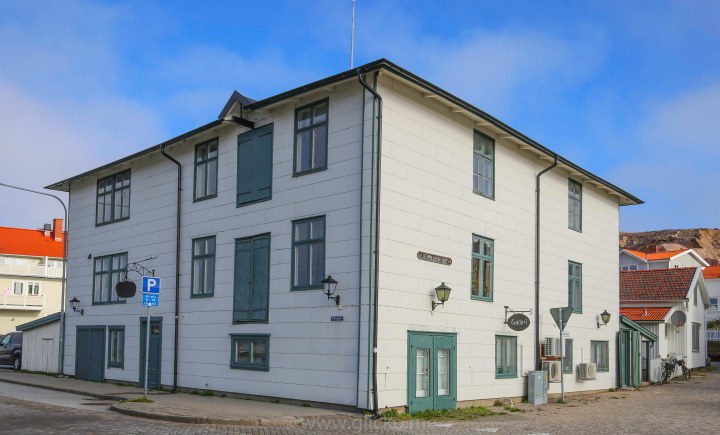
“In February last year, I was out dancing in Gothenburg when I met Rosa and we just clicked. Later, in the historic building Köpmanshuset (Merchant’s house) at home in Lysekil, I got down on one knee and proposed and she said yes.”
Can you tell us how the wedding went?
“Our closest friends and family were there – about 15 of us in total. We were wed by the priest Lars Alerås. The ceremony was here at the house and it was very nice and the children sang and there were a few tears here and there during the wedding. It was wonderful and the beautiful weather made our day magical.”
How did it come about that you chose to get married here in Lysekil?
“Lysekil is our common denominator for us and we chose to stay at Strandflickornas’ Havsatelje (Studio by the Sea) on the wedding night, which sits right on the Gullmarsfjorden.”
What does Lysekil mean to you?
“I love Lysekil. My parents have had a summer house here in Lysekil since the late 80s. I have been in Lysekil a lot from the end of the 80s until now.”
When you are in Lysekil, you stay at the old Köpmanshuset – can you tell us a little about its history?
“Of course. My idea was to open a little restaurant and a cafe there, but it was difficult to get it done. I am renovating one room each year. It’s a bit big but it works well. I like to preserve as much of the old look as possible.
“The house was built in 1886 and from what I understand, a third floor was added in 1929. They made sails, cables and lots of different things there. Nautical retailer JE Lindbom started his business there. Later, the business moved to Södra Hamngatan in Lysekil.”
What did you think about the TV documentary about Ace of Base?
“I have only seen a beta version of the first part. But you could say I have experienced it in reality,” says Jonas and laughs.
“I could have participated in the documentary if there had been interest in how the songs came about, about the videos, the concerts, fans, contracts, tours, record companies and things that we haven’t talked about so much – that would have been fun to talk about. We made a documentary in 1997 with the same things as in this documentary.”
If we go into the musical aspect of Ace of Base, what were your thoughts there when you started?
“I have been composing music since I was fifteen years old. When we broke through, I was 26 years old. In one interview, it was suggested our break-through had come quickly. ‘Do you think eleven years is quick?’ I replied. It’s a bit comical, because we had been at it for quite a while before we broke through.”
What are your thoughts about the development of your music?
“When I started writing music, it was very instrumental. Then, I would more frequently write the melody first. Before that, you made beats and not song melodies. It was a bit of a journey going from instrumental to regular songs. Then I increasingly sat with a guitar and made the vocal melody and the chords and started recording it.
“We played a bit of different music such as body music, harder dance music, reggae, pop and a bit of disco-type music. We even had an instrumental classical song on the first record. At the time, most record companies thought it was very strange to have different styles on one record, but we were probably pioneers and it became like a compilation album, you could say, with different styles. These days, the albums are mixed to the max.
“Ulf and I were at Polar and talked to someone there, I think his name was Jonas. He said if you can do 10 more songs like All That She Wants and Wheel of Fortune it can work. I thought it wouldn’t be easy, says Jonas and laughs. I said to Ulf ‘let’s go’.
I understand that you are a musical genius, and Ulf mentions in the series that you could create 20 songs in one day, is that correct?
“Yes, I could probably do that, if necessary. Although it seems a bit stressful,” says Jonas and laughs. “I hear the song in my head and then I record it. I get a song with bass and the melody in my head. Then I get to take the chords out.”
How was it working with Denniz Pop?
“It was great fun. I think he was a production genius. He could really make use of stuff and take interesting criticism onboard. For example, if you think of All Thats She Wants, it has a bass line on the chorus and at the end it has another bass line. So, he wanted the chorus throughout the song with the bass at the end. I thought a little differently and he was able to listen to what I thought and we ended up with the bass he wanted. He was good at listening and could take criticism and give criticism. Very nice and easy to work with.
“We sent him a demo that got stuck in the car stereo and I got to borrow that car and drive it around Stockholm when we recorded All Thats She Wants.
There must be many wonderful memories?
“Yes – I love writing songs and recording them and getting it right. A good song is almost like an invention. If something in the music is really good, the hair doesn’t stand up on my arms, but I get a feeling of a slight fever. My forehead gets warm if I think I’ve done something well.”
Then you must have had a fever many times?
“Yes, every now and then,” says Jonas and laughs. But it’s a little easier these days, because when I wrote most of the songs and the music for Ace of Base, I was so into it. We were working on it probably 14 hours a day six days a week so it was absolutely crazy.
“It got to the point where I couldn’t listen to music unless I had a few beers or a glass of wine. Then I could relax. Otherwise, I would sit and analyse everything, I was completely crazy. I was a bit music crazy there for a while. Today there are no problems.”
Do you get requests to write songs for different artists and bands?
“I do, and I also did get a lot of requests in the past. They wanted me to move to London, New York and write songs full-time, but I enjoyed myself so much in Sweden. I was out and travelling all the time so it had to be enough. It had to turn down song-writing in both New York and London.”
Ulf Ekberg says in the first episode of the documentary that ‘perhaps this project will reunite us’. Will Ace of Base make a comeback?
“The problem is that everyone wants t to be all four of us and my sister Malin doesn’t want to be part of it. We tried touring with three people, but most people want to see the original Ace of Base as we were.”
But can’t the four of you release new music without touring?
“Malin doesn’t want to and we have to accept that.”
But have all four of you met and talked?
“It has certainly happened, but it is not often.”
Seeing images from Israel and an audience of 75,000 people gives you goosebumps. Do you remember anything from that gig?
“We did four gigs in one night. They celebrated Independence Day and the first gig was at midnight, another one in Tel Aviv at 2am, one at 4am and one at 6am. There were four gigs on the same day.
“At a gig in Poland we had 200,000 people in the audience. It wasn’t just us who played there and it was the same in Tel Aviv.”
You have met one of the really big record producers in the world, Clive Davis, how was that?
“I sat and played songs in his office. Clive said that not many people played the guitar in his office. He thought it was exotic. I also did that for Denniz Pop and Tommy Ekman.”
“There are various important decisions that have been like a turning point for us. A turning point was when Clive Davis forced Malin to sing a song called Everytime It Rains that a friend of Clive had written. For me I could take it or leave it. Malin didn’t want to sing, but then Jenny sang it. Then he got really mad and Malin had to sing it instead and it wasn’t fun for either Jenny or Malin.
“We had another thing when Reebok wanted a shoe called Ace of Base. One of the band didn’t like this and didn’t like being a shoe. The shoe was given a different name and became a huge success.
“We also had an arrangement with the Volvo Ocean Race that Ulf had managed. Where large Swedish companies joined together to support a boat that was to be called Ace of Base and represent Sweden. The idea was that we would play at every stop. It was another big thing that would have meant a lot for our future career if it had come off.
“I also got a request to write a Bond theme song for Golden Eye. I did and they really liked it here in Europe, but Clive Davis opposed it. The Bond gang wanted a song and I recorded it with Meja and the song felt very Bond-like.
“Clive objected to us doing a Bond song and Tina Turner did it instead. I don’t know if he didn’t like Bond, but it seemed completely crazy. Then I changed the lyrics to it and it was named The Juvenile.
“Another thing was when we had been on promotional tours for 23 months, we read that Metallica had been out for 18 months and that was some sort of world record. We had been out for 23 months so we were tired of both each other and music. Then we got a request for a world tour.
“They promised us 8 days in a row with a sold out Madison Square Garden, money up front. We had toured so hard that we had no chance of coping with this. At the same time, we were under pressure to record our second record which was delayed. It took three years between the first and second album. If we had managed to do that tour, maybe everything would have looked different, who knows?”
How did Ace of Base disband?
“Malin did not want to continue in the band. On the second record, she sang very little. Then she kind of didn’t want to sing at all. We didn’t split, but one faded out. It became difficult for Jenny, who wanted to sing, and the record companies, who wanted Malin to sing, but Malin didn’t want to. Malin faded herself out, you could say.”
In closing, what does your musical future look like?
“I am recording music with a friend named Jonas Carling. We’ve probably recorded two records. It’s a bit of pop rock.
“I am also recording music with my children, so we’ll see which of these two different projects comes out first.”
Good luck in the future and thank you for an open-hearted interview. And a big congratulations to Ace of Base who has been inducted into the Swedish Music Hall of Fame.
Jonas, Rosa and blogger Glicko
Thanks to Liselotte for the translation.























 Glicko Nyhetsblogg